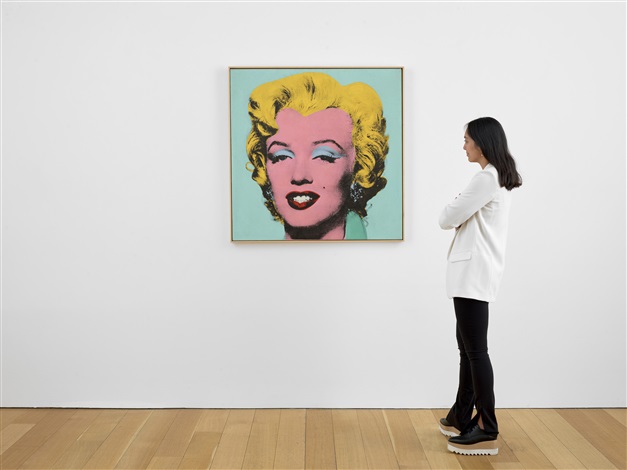
The Market Has Changed, and That Is Good News
KAWS did not collapse after 2021. It clarified. Flippers moved on. Speculators who treated Brian Donnelly's X'd-out eyes as a guaranteed trade learned that contemporary art does not behave like cryptocurrency. What remains in 2026 is a market that functions: 87% sell-through rates, $596 million in total market capitalization, and compound annual growth that has outperformed the S&P 500 over a full decade.
For collectors already holding KAWS, the correction reads less like loss than validation. Between 2019 and 2021, when The KAWS Album sold for $14.8 million at Sotheby's Hong Kong (nearly fifteen times its high estimate), the frenzy pulled in buyers who did not understand what they were acquiring. Vinyl Companions jumped three to five times retail within eighteen months, and many assumed the curve would never flatten. It did. The pullback that followed was healthy. Necessary.
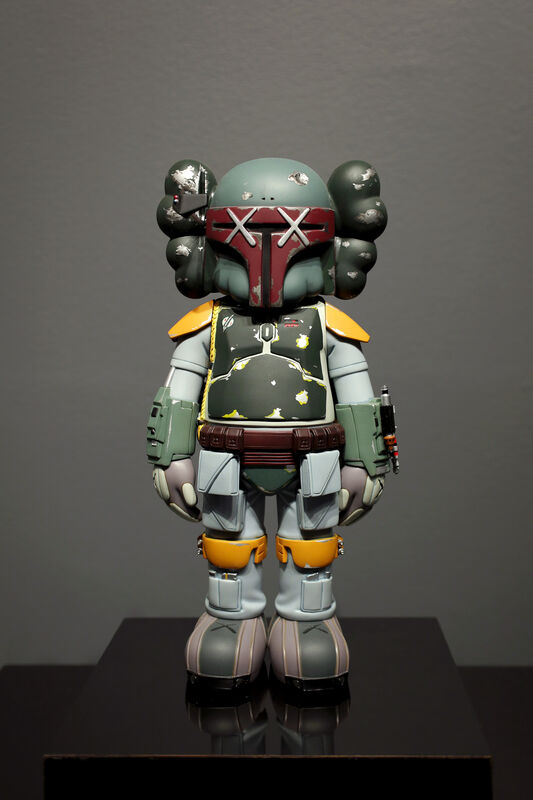
KAWS, The Album, 2015. Sold at Sotheby's Hong Kong for $14.8 million in 2021. Courtesy Sotheby's. Source: www.artsy.net
Now the market rewards what serious collectors have always prioritized: documented provenance, tight editions, material quality, and exhibition history. Works bought at the peak may have delivered less dramatic gains than those acquired during the correction, but they sit inside a more stable ecosystem. Retention has replaced flipping. Long-term value creation has displaced quick exits.
Structure supports that shift. KAWS generated $230.3 million in total auction sales since 2015, with transaction volume doubling over that period. Average print value has grown at 3% compound annual, with current average prices around £10,795. These are not mania metrics. They reflect sustained demand across multiple economic cycles, including pandemic disruptions and interest rate shocks that hit other collectible categories hard.
Two Museums, One Message
Museums do not chase hype. They build value floors.
Two major 2026 exhibitions make the case with unusual clarity. SFMOMA's KAWS: FAMILY opened November 15, 2025, and runs through May 3, 2026, marking the artist's first major museum exhibition on the West Coast. The show spans three decades: paintings, drawings, sculptures, advertising interventions, product collaborations, and the collectible toys that first brought Donnelly to public attention. Breadth matters here. Institutions do not mount retrospectives at this scale for artists they consider fleeting.
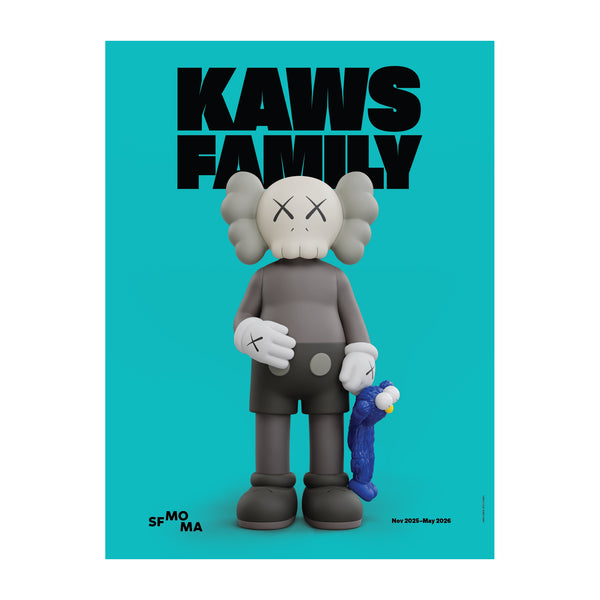
Installation view from KAWS: FAMILY at SFMOMA, November 15, 2025–May 3, 2026. The artist's first major museum retrospective on the West Coast. Courtesy SFMOMA. Source: museumstore.sfmoma.org
ALBERTINA MODERN in Vienna has announced KAWS: Art & Comix, opening April 3, 2026. The exhibition frames Donnelly as an artist who deliberately blurs high and low, featuring works including the 2021 TIME OFF and 2023 SPACE sculptures alongside Companion and Accomplice figures. European institutional attention signals a shift collectors should register: KAWS has moved beyond American streetwear origins into a broader contemporary canon.

KAWS, TIME OFF, 2021. Wood and fiberglass sculpture. Featured in ALBERTINA MODERN's KAWS: Art & Comix exhibition, April 2026. Courtesy the artist. Source: www.ebay.com
These exhibitions create validation moments that often coincide with auction activity. For collectors assessing portfolio positioning, cultural weight matters. A Companion variant with documented exhibition history carries different gravity than an open-edition collaboration, regardless of acquisition price.
Museum programming also sharpens comparisons. Takashi Murakami's Superflat icons and Mr. DOB figures occupy similar pop-parody territory. Daniel Arsham's eroded sculptures share material and conceptual concerns. For collectors benchmarking holdings, Yayoi Kusama's pumpkins and Jeff Koons's balloon dogs offer editioned multiples with comparable institutional heft.
Investment Grade Versus Everything Else
The market has stopped pretending all KAWS is equal.
Investment-grade works tend to share the same traits: scarce bronze, wood, and fiberglass sculptures in small editions; Companion variants with strong provenance and documented exhibition history; limited-edition canvases in premium materials. These pieces draw institutional acquisition interest and show more consistent appreciation through cycles. Record prices underline the point. Chum (KCB7) (2012) sold for $2,412,500 at Christie's New York in November 2018, nearly five times the high estimate. In The Woods, a parody of Disney's Snow White, resold for nearly $4 million at Christie's New York in May 2019, up nine times from its 2016 sale price of $430,000.
KAWS, Chum (KCB7), 2012. Bronze sculpture sold at Christie's New York for $2,412,500 in November 2018. Courtesy Christie's. Source: media.artnet.com
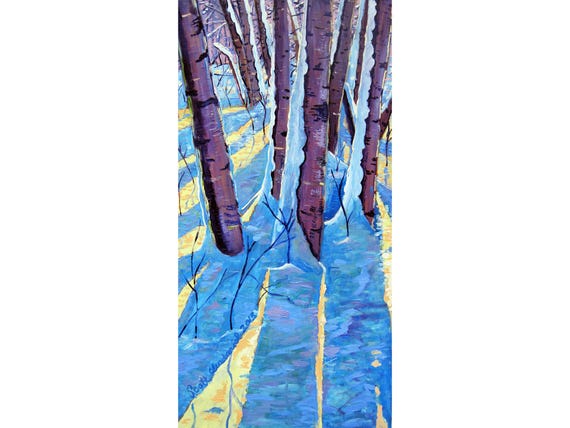
KAWS, In the Woods, 2013–2014. Oil on canvas. Resold at Christie's New York in May 2019 for approximately $4 million. Courtesy Christie's. Source: www.etsy.com
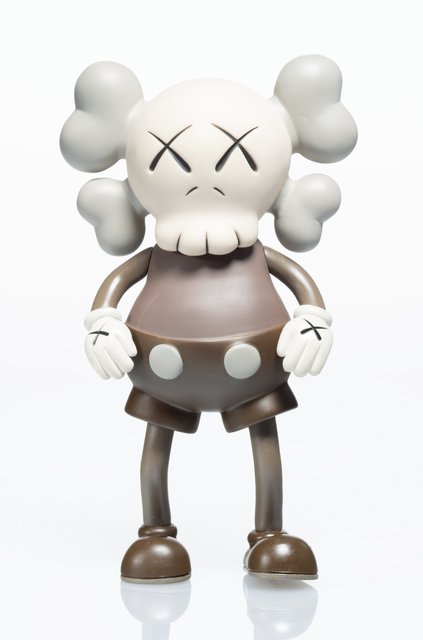
KAWS, Companion (Various Editions), 1999–present. Vinyl collectible figures. These variants have become investment-grade works when issued in limited editions with documented provenance. Courtesy KAWS Studio. Source: kawstoo.com
Passion purchases sit elsewhere: mass-produced vinyl figures, open-edition collaborations, and works without meaningful edition limits or scarce production runs. They can carry cultural significance and personal meaning, but they rarely behave like investment assets. A Pink BFF that resold for approximately $1,200 on StockX following the Dior collaboration may represent meaningful value for collectors who paid retail, but it operates in a different ecosystem than a numbered bronze Companion with exhibition documentation.
Authentication remains non-negotiable. Fakes proliferate in the vinyl market. Collectors should insist on KAWS Certificates of Authenticity from original retailers, confirm official stamps and UV inks, and verify provenance through Sotheby's, Christie's, or Phillips archives. Heritage Auctions specialists and major auction house experts can assess questionable pieces. The presence of "Attributed to KAWS" designations in 2026 auction listings reflects ongoing caution around undocumented works.
For collectors reviewing existing holdings, the test is simple. Does the work come with edition documentation, exhibition history, and material specifications that place it in the investment-grade tier? If so, patience tends to pay. If not, enjoyment is the primary return.
What This Moment Demands
Consolidation defines this phase, not a new peak.
Collectors holding KAWS works are operating in a market where weak hands have already exited. Stability now comes from a base of committed collectors, not speculative churn.
Three risks remain. KAWS continues to release new editions and collaborations, which can dilute scarcity narratives over time. Visibility still leans on social media and cultural relevance, leaving the market exposed to taste cycles. Long-term returns depend on selectivity around edition size, material, and exhibition history. Mass-market collaborations, however culturally significant, rarely function as investment vehicles.
Strengths are equally clear. Museum validation supports a value floor through institutional acquisition and exhibition. Deep auction liquidity (including the $596 million market capitalization and 87% sell-through rate) points to real demand rather than thin trading among a small circle of speculators. Cultural dominance through fashion collaborations and product design sustains visibility and keeps younger collectors entering the category.
Acquisition strategy in this environment favors selectivity over broad participation. Scarce editions with clear provenance warrant attention. Open editions and mass collaborations serve different purposes. Major institutional exhibitions in 2026 offer reference points for market positioning, not signals to chase momentum.
Works acquired between 2019 and 2021 may represent strong realized positions for collectors considering sales. The current environment suggests patience for investment-grade pieces, while liquidity remains for those exiting less significant holdings. The market has matured. It now rewards collectors who can distinguish between art that holds value and products that simply carry a famous name.